
Notes from Barcelona, and what they mean for our markets across Ukraine, the CIS, and the EAEU.
Delta Medical attended Vitafoods Europe in Barcelona from 5 to 7 May. The headline takeaway was consistent across the halls: consumer self-care is repricing itself around specific clinical outcomes, and brands competing on generic wellness claims are losing share.

GLP-1 therapy is reshaping nutraceutical positioning across protein, collagen, gastrointestinal support, and multivitamins at the same time.
Manufacturing quality and clinical evidence are turning into the main commercial moats. The trends we saw will land in Ukraine, the CIS, and the EAEU on an 18 to 36 month lag, which gives our partners and our portfolio a useful window to position early.
Below are the six shifts we think matter most.
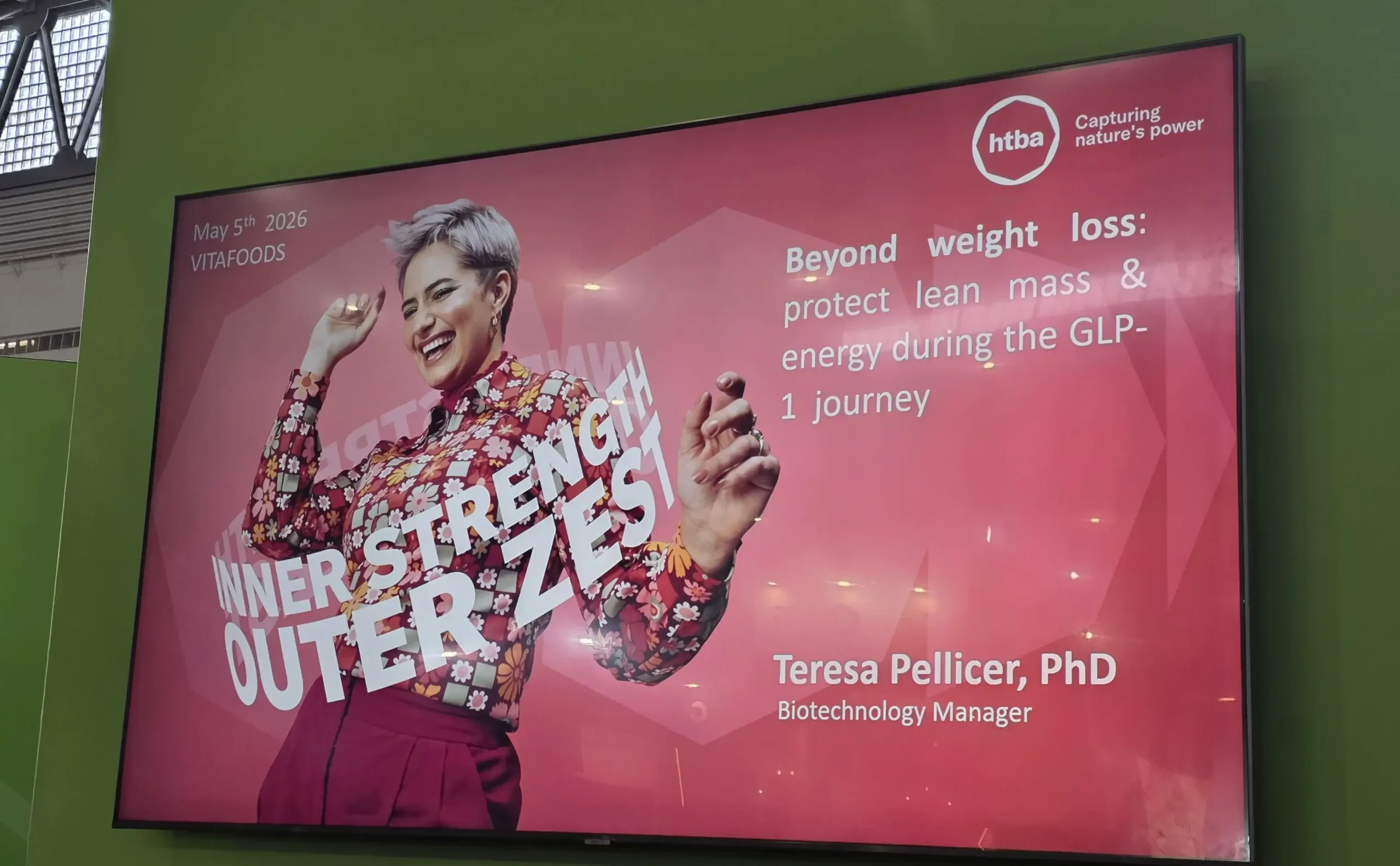
1. GLP-1 is reshaping adjacent categories faster than expected
Semaglutide and tirzepatide came up in almost every conversation. The angle was practical. Supplement companies are positioning their products as support for patients on GLP-1 therapy, where rapid weight loss creates predictable secondary problems:

- Loss of lean muscle mass
- Reduced energy and appetite
- Gastrointestinal tolerability issues
- Skin and hair changes
- Micronutrient gaps
This is creating commercial pressure across protein, collagen, multivitamins, gastrointestinal support, and probiotics simultaneously.
Arla Foods Ingredients, for example, was demonstrating dedicated GLP-1 companion food solutions on its stand. For our markets, GLP-1 adoption sits behind Western Europe today but is accelerating fast in urban Ukraine and Kazakhstan.
We expect the adjunct nutrition opportunity to land in our region within 18 to 24 months.
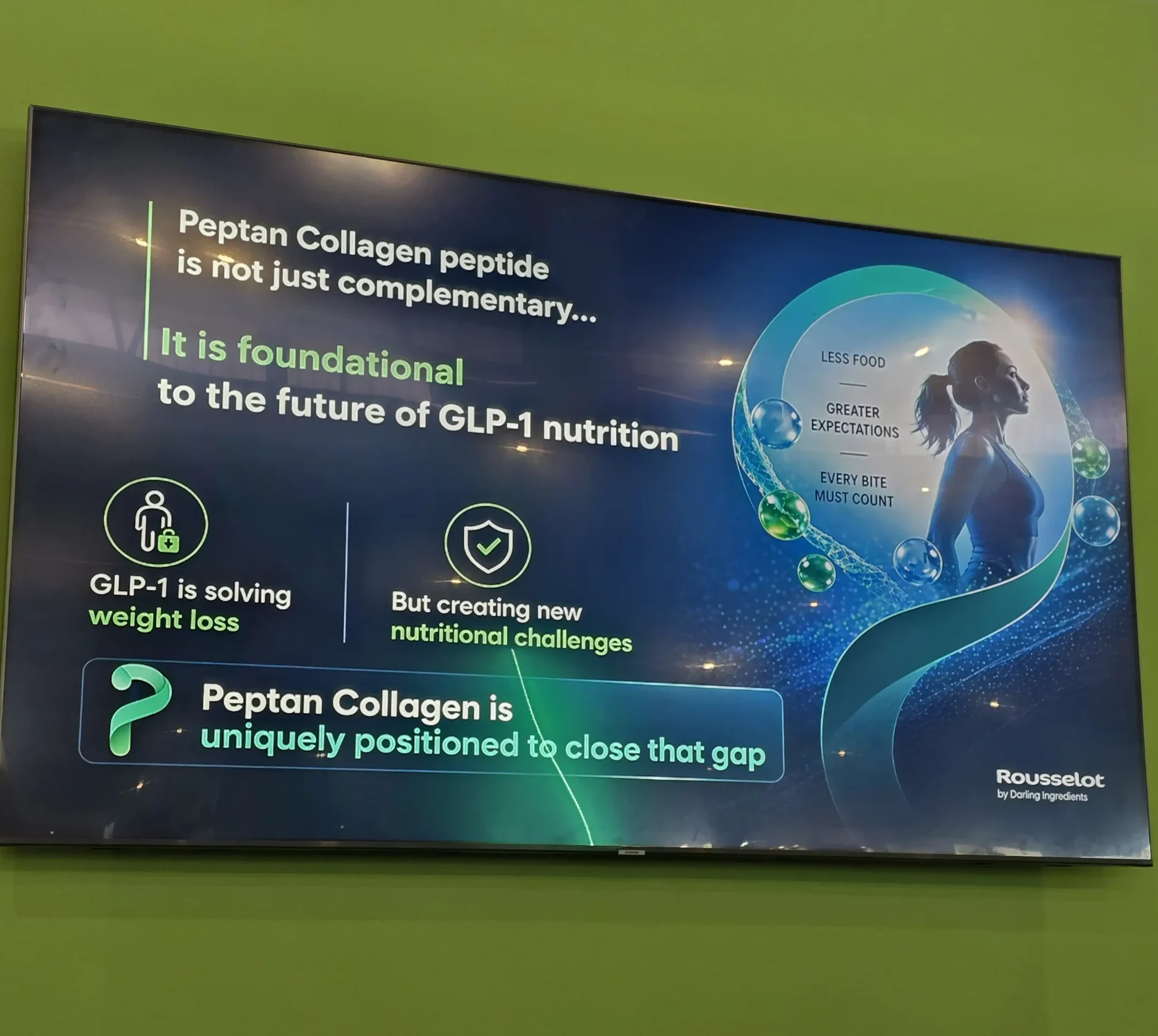
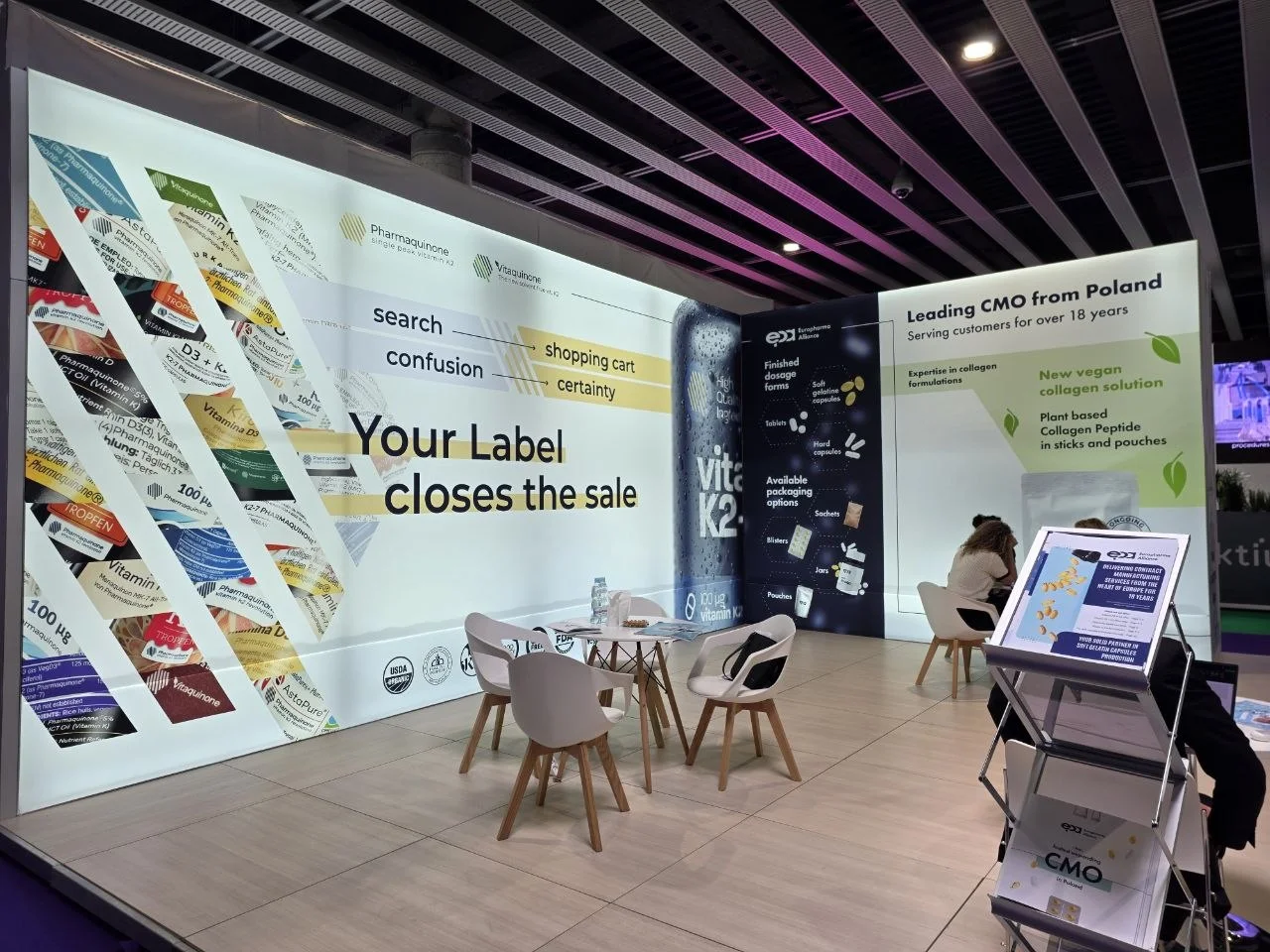
2. Collagen has become a clinical conversation
For years, collagen sat almost entirely inside beauty marketing. That has changed. The discussions at Vitafoods centered on:
- Differences between peptide profiles, molecular weight, and source material
- Hydrolysis methodology and bioavailability
- Signaling pathways rather than simple replacement of lost collagen
- Joint, connective tissue, and body composition endpoints
The commercial read is straightforward. Brands that cannot explain why their collagen is differentiated from a generic powder will lose pricing power.
Brands with a clinical story tied to a specific endpoint will keep margin. This is consistent with the pattern we already see across our supplement portfolio: ingredient specificity matters more every year, and partners with clinical files behind their products win shelf and prescriber preference.




3. Protein is a food science problem
One of the more honest sessions at the show was about why high-protein products fail commercially. Protein content itself is easy to engineer. The bottleneck is sensory experience and shelf stability:
- Dryness and chalkiness at high inclusion levels
- Density and rubbery mouthfeel
- Moisture migration over shelf life
- Off-notes from certain plant and dairy protein sources
In CEE and EAEU markets, most high-protein launches still imitate Western leaders and inherit the same sensory issues. There is real space for a differentiated format if the food science work is done properly.
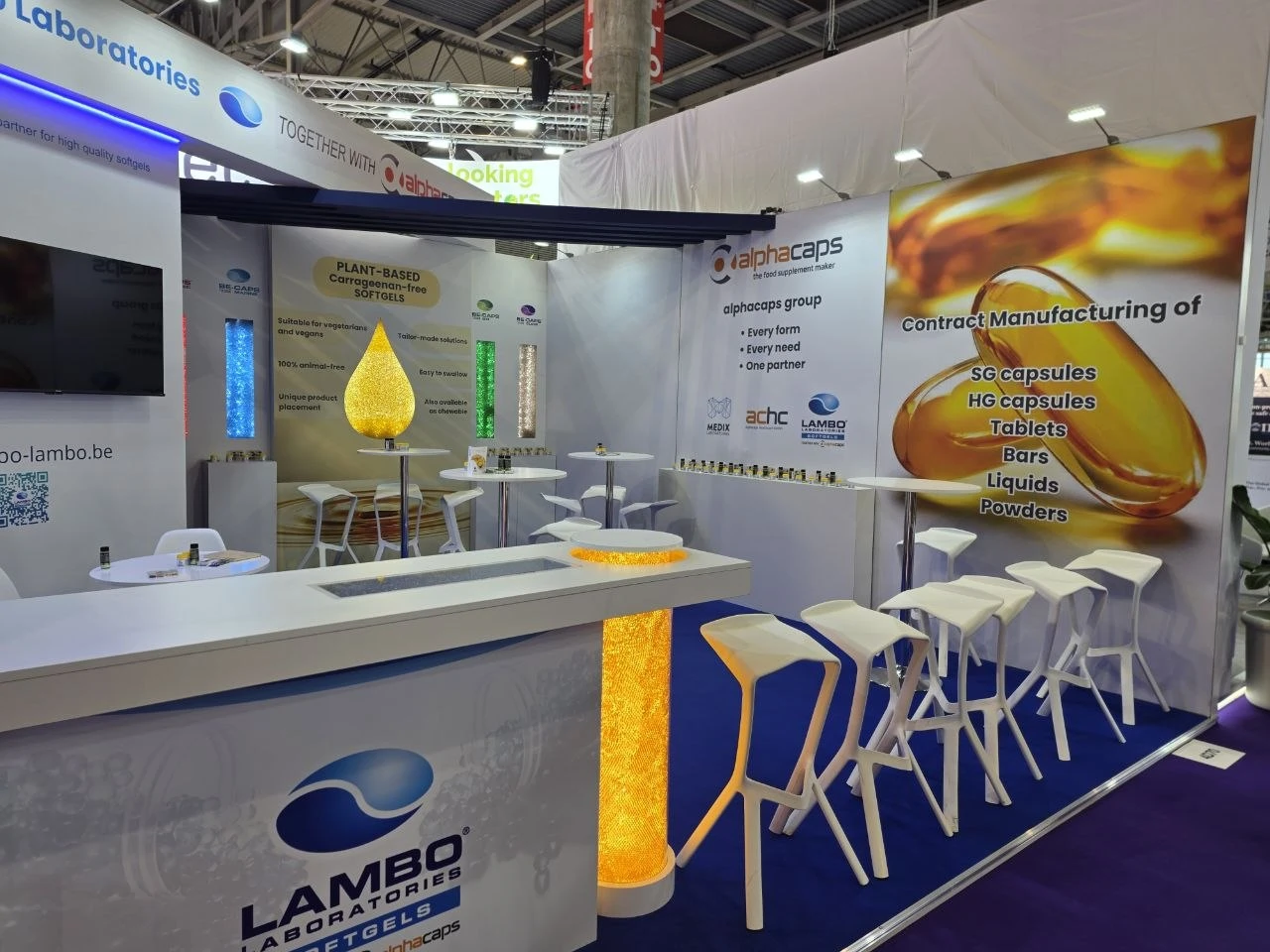
This is the kind of category where contract manufacturing relationships and technical formulation capacity decide who wins.

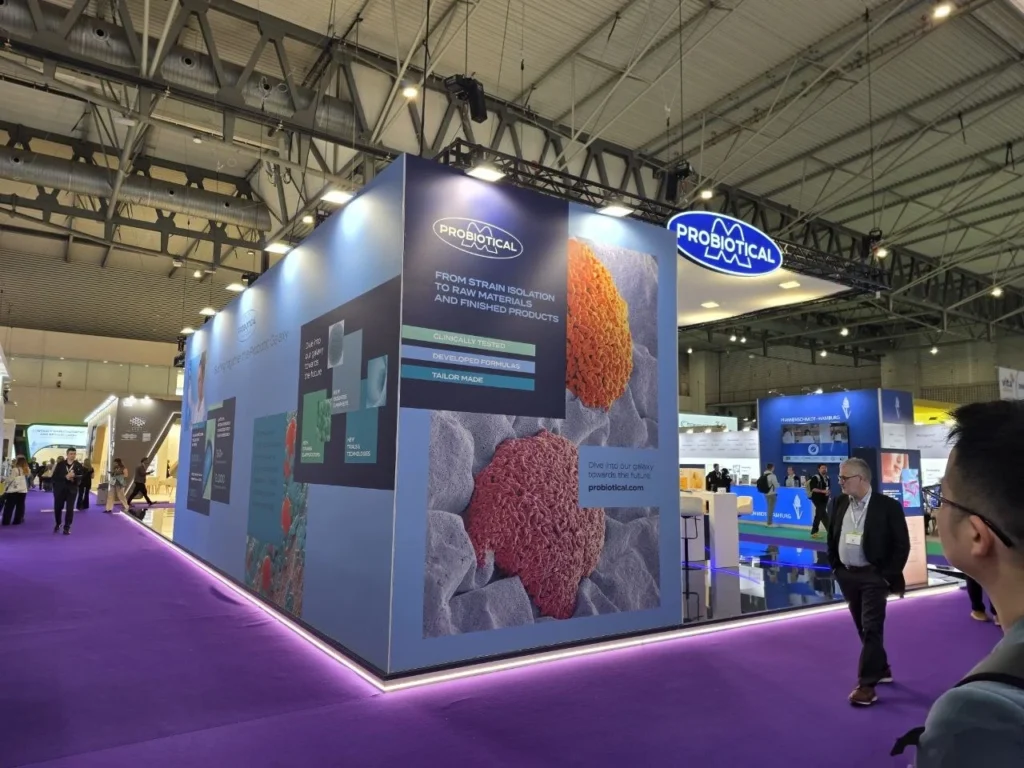
4. Psychobiotics moved from fringe to category
The gut-brain axis is no longer a niche conversation. At Vitafoods, microbiome science was directly connected to:
- Stress resilience and HPA axis modulation
- Sleep quality and onset latency
- Cognition, focus, and reaction time
- Mood and emotional regulation
Younger consumers, particularly the gaming and high-performance segments, treat cognitive performance as a core wellness outcome. Strain-specific probiotic claims backed by human clinical data are the differentiator.
For our probiotic and cognitive supplement portfolios, this points toward strain-specific positioning with clear human endpoints, rather than generic gut health messaging.

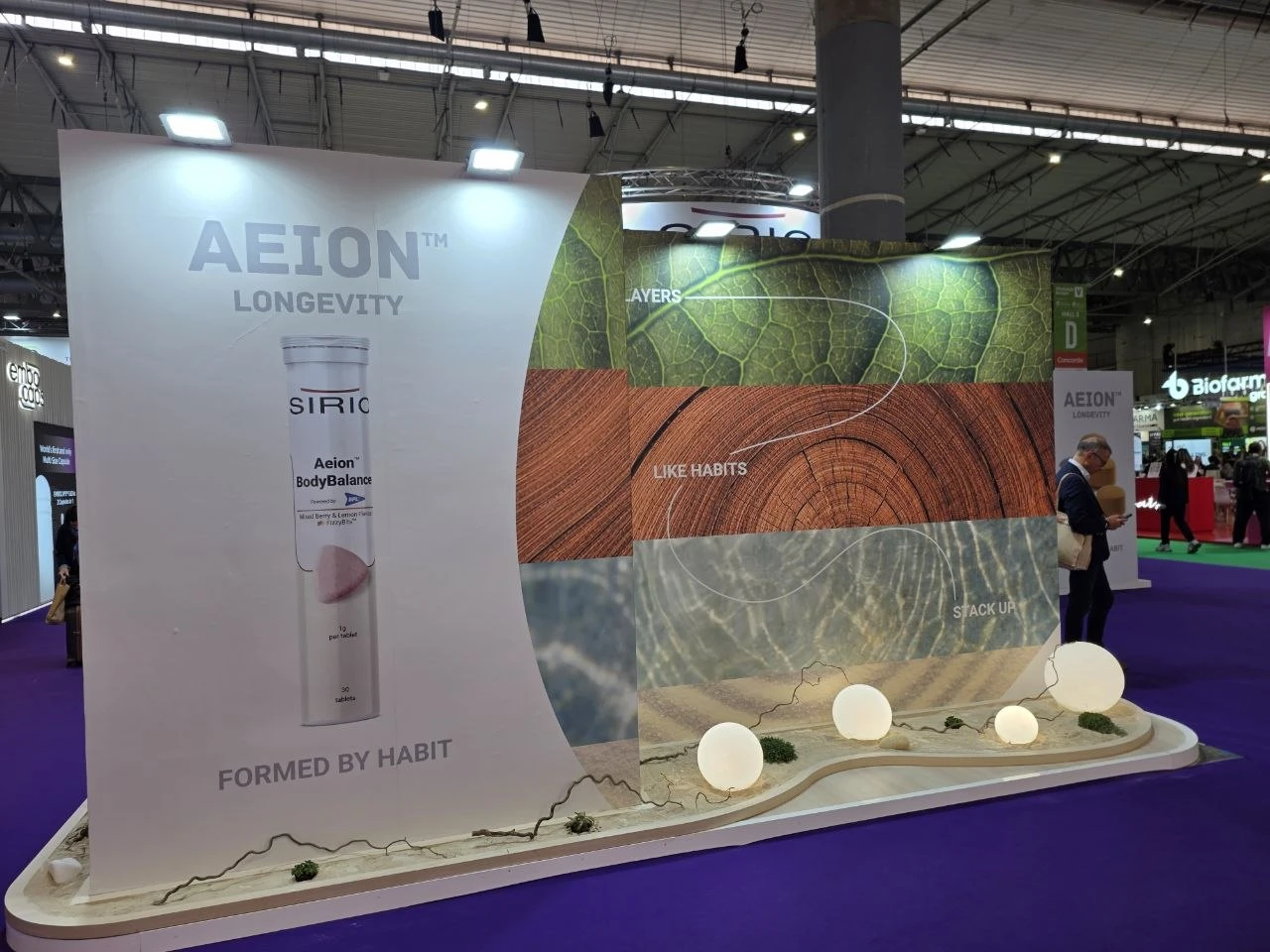
5. Healthy aging has split into two camps
Longevity has become a mainstream commercial category. The market is splitting visibly into two groups:
- Companies building clinical evidence around healthspan, mitochondrial function, metabolic flexibility, and inflammation management
- Brands marketing NMN, NAD+ precursors, and related compounds on limited long-term human data
Both groups will sell product in the short term. Over the next five years, regulators and informed consumers will separate them.
For our region, we think the credible end of the category will scale steadily, while the trend-driven end will face increasing pressure as Ukrainian and EAEU regulatory frameworks tighten around supplement claims and substantiation.
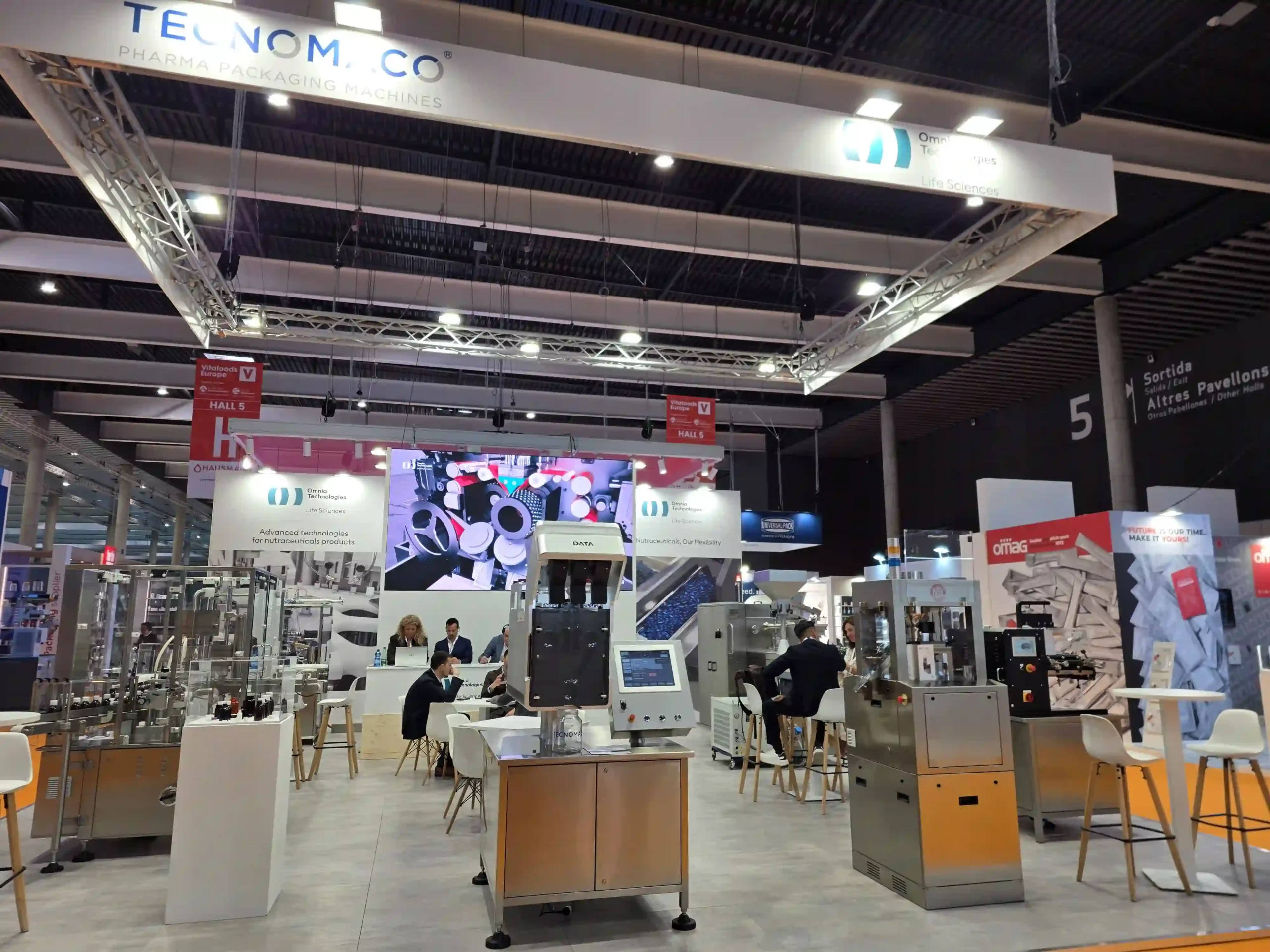
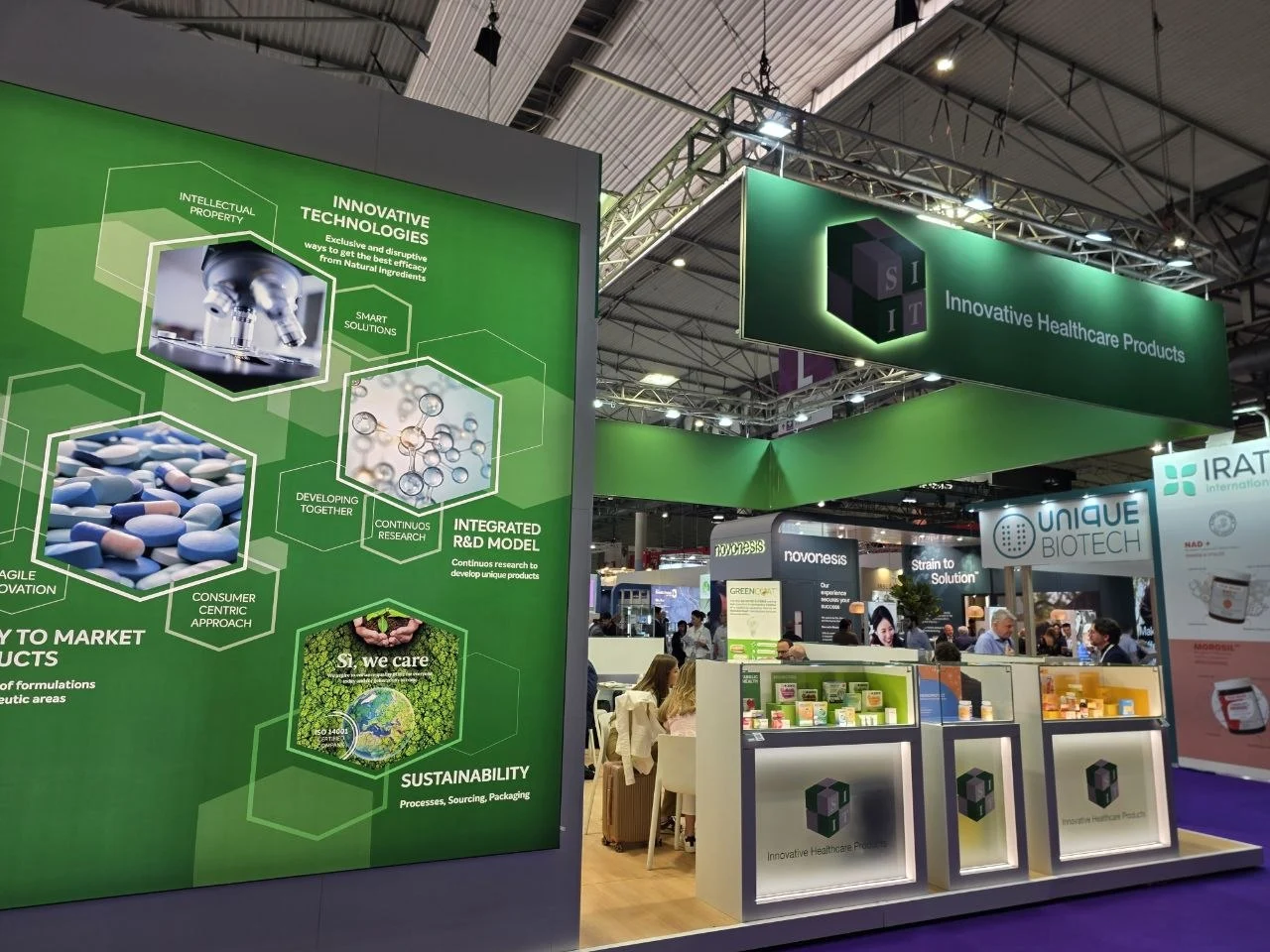
6. Manufacturing quality is becoming the moat
Across categories, one theme kept returning. Buyers and consumers are skeptical of vague premium quality language. What they want documented:
- Standardized raw material sourcing
- Validated production with documented in-process controls
- Dosage consistency and batch-level traceability
- Pharmaceutical-grade quality systems applied to nutraceutical lines
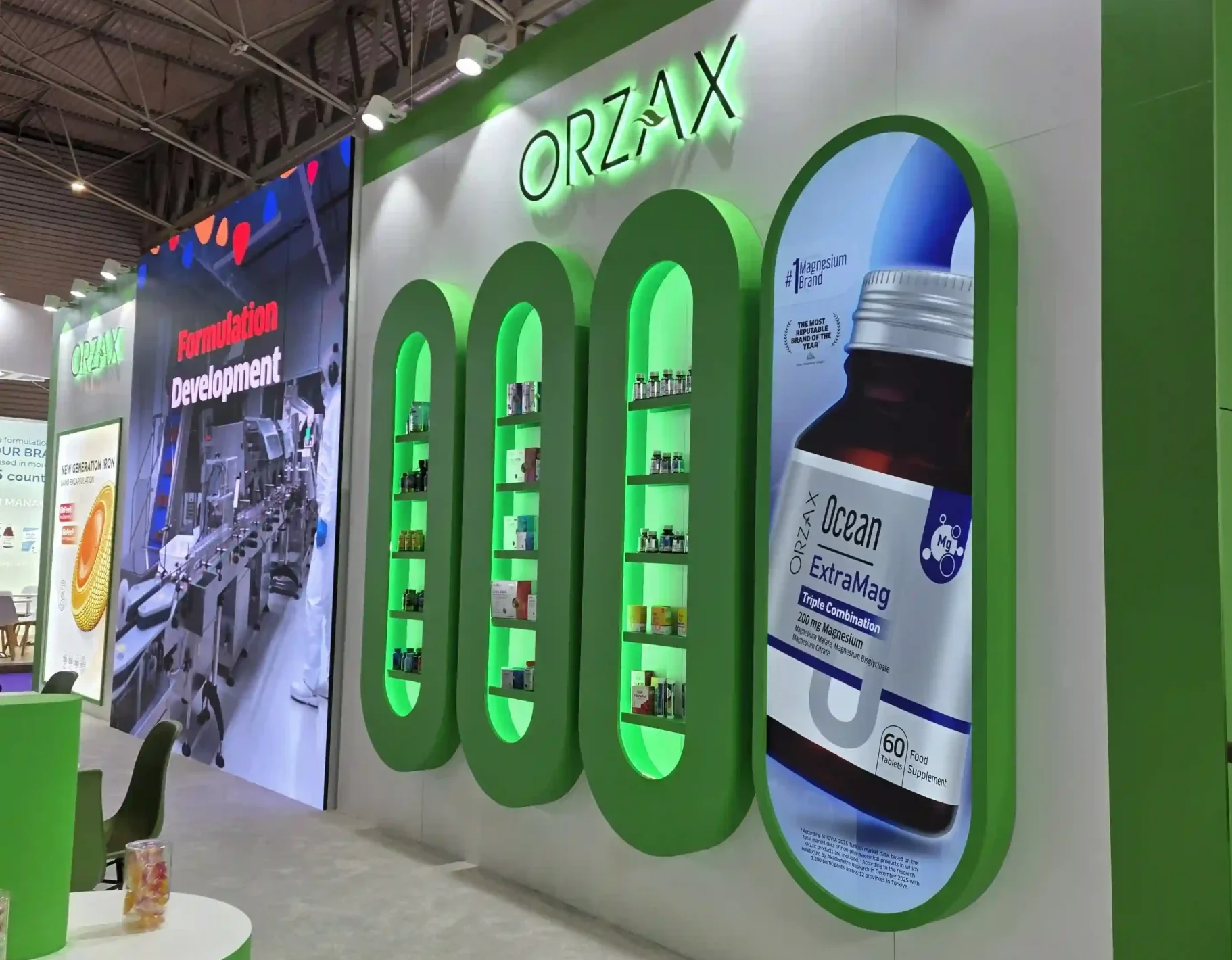
This is the area where Delta Medical has been positioned for a long time. Our ISO 22000 quality system, partner manufacturing standards, and dossier rigor under both Ukrainian and EAEU regulatory frameworks are commercial assets, and increasingly visible ones.
As consumer-grade marketing claims tighten across our region, manufacturing credibility translates directly into shelf, partner, and prescription access.



What this means for our markets
The trends visible at Vitafoods arrive in CEE and EAEU markets with an 18 to 36 month lag. We can see them coming and adjust portfolio decisions early. Three priorities stand out for us over the next 12 months:
- Build GLP-1 adjunct positioning into the relevant supplement portfolios, particularly omega-3, protein, multivitamin, and probiotic ranges, ahead of the local prescribing curve.
- Tighten the clinical and mechanistic story behind our collagen, probiotic, and cognitive supplement positioning, with strain-level and peptide-level specificity.
- Continue investing in manufacturing rigor and regulatory documentation at a pharmaceutical level, because that is where the category is going.
The market is leaving generic wellness behind. What is replacing it is more demanding to compete in, and significantly more interesting.